Durga Puja During Navratri: History and Significance
India is a land of festivals, traditions and cultural diversity. Every festival carries religious beliefs, fascinating stories and meaningful customs. Among these celebrations, Navratri and Durga Puja hold a special place in Indian culture.
During the nine days of Navratri, devotees worship different forms of Goddess Durga. Many observe fasting, visit temples and pray for happiness, peace and prosperity.
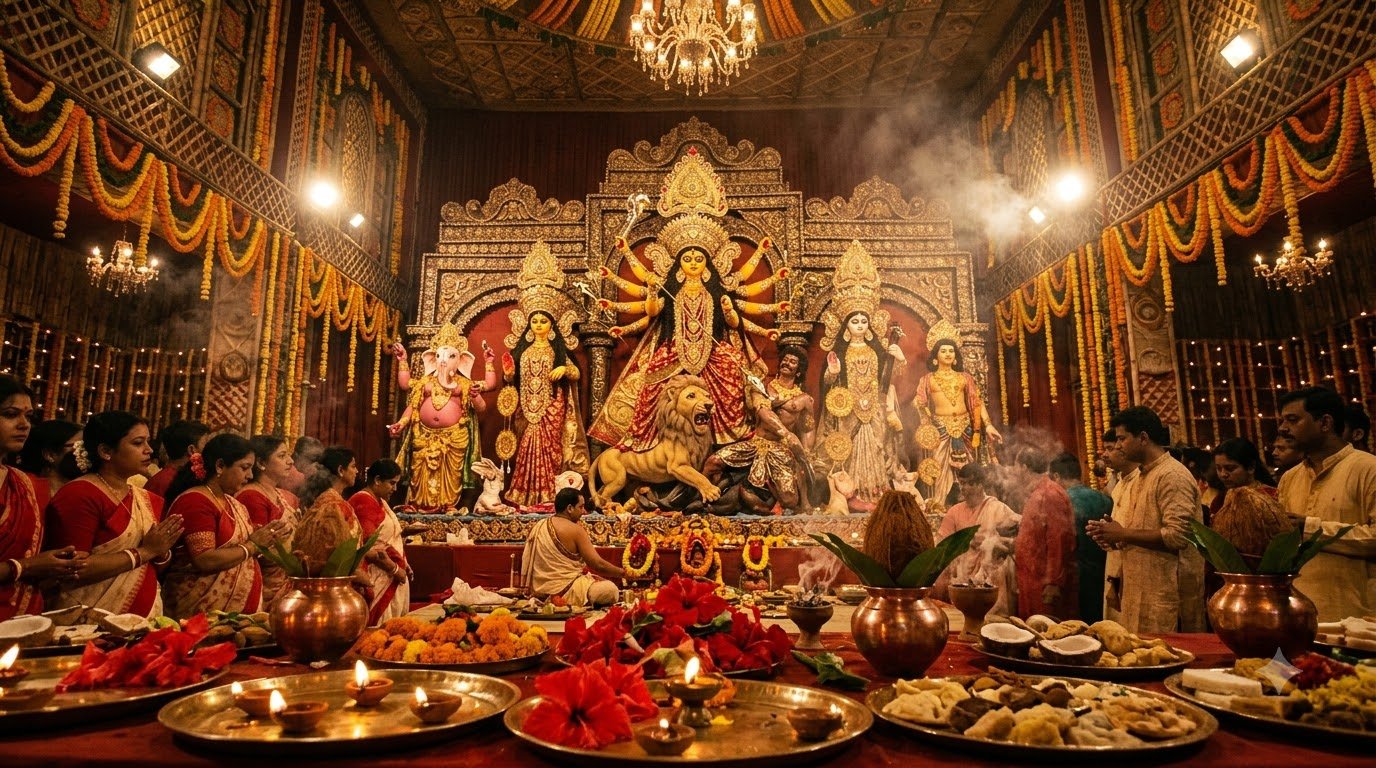
Meanwhile, Durga Puja is celebrated with great enthusiasm across West Bengal and several other parts of India. Beautifully decorated pandals, magnificent idols and cultural performances create a joyful festive atmosphere.
But have you ever wondered why Durga Puja is celebrated during Navratri? Let us explore the mythology, spiritual significance and cultural traditions behind this sacred festival.
What Is Navratri and Why Is It Celebrated?
The word Navratri means “nine nights.” It is a major Hindu festival dedicated to Goddess Durga and her different manifestations.
According to Hindu beliefs, Goddess Durga represents strength, courage, compassion and protection against evil.
During Navratri, devotees worship different forms of the Goddess over nine days. Many people observe fasting. Some families also perform Kalash Sthapana, maintain an Akhand Jyoti and celebrate Kanya Puja.
Navratri teaches us to remain courageous, faithful and positive, even during difficult times.
Why Is Durga Puja Celebrated During Navratri?
According to Hindu mythology, a powerful demon named Mahishasura began troubling the gods and disturbing the balance of the universe.
The divine powers of the gods came together, leading to the manifestation of Goddess Durga. She fought Mahishasura and ultimately defeated him.
This story symbolizes the victory of good over evil and righteousness over injustice.
Therefore, Goddess Durga is worshipped as a symbol of courage, strength and divine protection.
Durga Puja is especially celebrated during Sharad Navratri. However, traditions and interpretations vary across different regions of India.
The Nine Forms of Goddess Durga and Their Significance
During Navratri, devotees traditionally worship nine forms of Goddess Durga, collectively known as Navadurga.
| Day | Form of Goddess Durga | Symbolic Significance |
|---|---|---|
| Day 1 | Maa Shailputri | Strength and stability |
| Day 2 | Maa Brahmacharini | Devotion and discipline |
| Day 3 | Maa Chandraghanta | Courage and peace |
| Day 4 | Maa Kushmanda | Creation and positive energy |
| Day 5 | Maa Skandamata | Motherhood and compassion |
| Day 6 | Maa Katyayani | Bravery and determination |
| Day 7 | Maa Kalaratri | Protection against fear and evil |
| Day 8 | Maa Mahagauri | Purity and serenity |
| Day 9 | Maa Siddhidatri | Spiritual accomplishment |
Worshipping these nine forms is not only a religious practice. Their symbolic qualities also encourage self-discipline, confidence, patience and positive thinking.
What Is the Difference Between Durga Puja and Navratri?
Navratri and Durga Puja are closely connected festivals. However, their celebrations differ across regions.
In northern India, fasting, Goddess worship, Ramlila and Kanya Puja are important traditions during Navratri.
In West Bengal, Durga Puja is celebrated with particular enthusiasm from Shashthi to Vijayadashami. Elaborate pandals, beautiful idols, traditional Dhak music, Dhunuchi dance and Sindoor Khela are prominent features.
Gujarat is famous for Garba and Dandiya celebrations. Meanwhile, several regions of southern India observe traditions such as Golu or Bommai Kolu.
Despite these regional differences, the worship of divine feminine power remains central to these celebrations.
Why Is Kanya Puja Performed During Navratri?
Many Hindu families perform Kanya Puja on Ashtami or Navami during Navratri.
According to religious tradition, young girls are honoured as symbolic manifestations of Goddess Durga.
Families invite them into their homes and offer food with love and respect. In many households, traditional dishes such as halwa, puri and black chickpeas are prepared.
Kanya Puja also reflects the cultural values of respect, affection and appreciation for girls.
What Traditional Foods Are Prepared During Navratri?
Navratri is not only a festival of worship and fasting. It is also associated with a variety of traditional Indian dishes.
Popular Navratri foods include Sabudana Khichdi, Kuttu Puri, Singhara Roti, Makhana Kheer and fasting-friendly potato dishes.
Many families also consume fruits, milk, curd, makhana and peanuts during fasting.
Traditional fasting ingredients may include buckwheat flour, water chestnut flour, barnyard millet and rock salt. However, permitted ingredients and fasting customs vary across families and communities.
For more information about fasting ingredients, food choices and traditional meal ideas, explore the Navratri Fasting Food Guide by Food Service India.
You can also explore more delicious Indian recipes and traditional cooking ideas on Meenraz Cooking.
My Special Childhood Memory — When I Dressed as Goddess Durga
Personal Memories | Childhood Durga Puja Celebration
One of the most beautiful things about festivals is that they create memories we cherish throughout our lives.
I also have a very special childhood memory associated with Durga Puja.
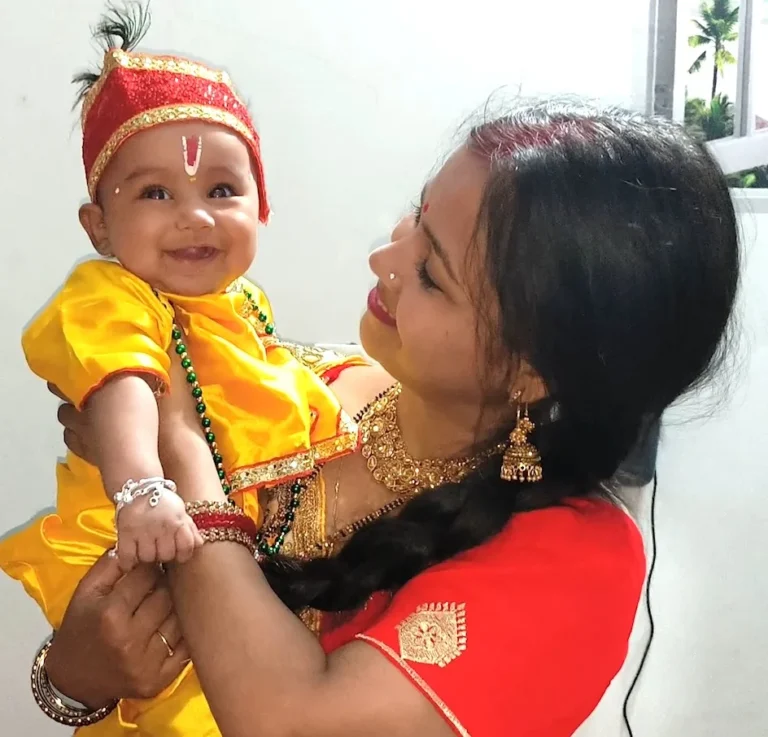
When I was a little girl, I had the wonderful opportunity to dress as Goddess Durga during a Durga Puja celebration. It was an unforgettable experience for me.
Today, whenever I watch those old videos, I feel as though I am returning to those beautiful childhood moments.
The traditional Goddess Durga costume, festive atmosphere and innocence of childhood still hold a special place in my heart.
I am sharing four short videos from that memorable celebration so you can experience these precious moments with me.
Watch My Four Childhood Durga Puja Videos
What Does Durga Puja Teach Us?
Durga Puja teaches us to remain courageous and faithful, even when life becomes difficult.
The mythological story of Goddess Durga represents the victory of goodness over evil.
The festival also brings families, friends and communities together through shared celebrations.
For children, participating in traditional festivals creates unforgettable memories and encourages an appreciation of cultural heritage.
Conclusion
Navratri and Durga Puja are more than religious celebrations. They are an important part of Indian culture, spiritual devotion and family traditions.
Every year, when Durga Puja returns, it reminds me of the beautiful childhood memories that I will always cherish.
May Goddess Durga bless everyone with happiness, peace and prosperity.
Jai Mata Di! 🙏🌺
Frequently Asked Questions (FAQ)
Why is Goddess Durga worshipped during Navratri?
Goddess Durga is worshipped as a symbol of divine strength, courage and the victory of good over evil.
How many days is Durga Puja celebrated?
The main public celebrations of Durga Puja generally take place over five days, from Shashthi to Vijayadashami, although related rituals may begin earlier.
Are Navratri and Durga Puja the same festival?
Both celebrate divine feminine power. However, Navratri is a broader nine-night festival, while Durga Puja has its own distinctive regional and cultural traditions.
Which demon was defeated by Goddess Durga?
According to Hindu mythology, Goddess Durga defeated Mahishasura.
Why is Kanya Puja performed during Navratri?
Kanya Puja honours young girls as symbolic manifestations of divine feminine power.
Join the conversation